How Highways and Roads Reflect Dictatorship and Nationalism
Category : | Sub Category : Posted on 2024-10-05 22:25:23
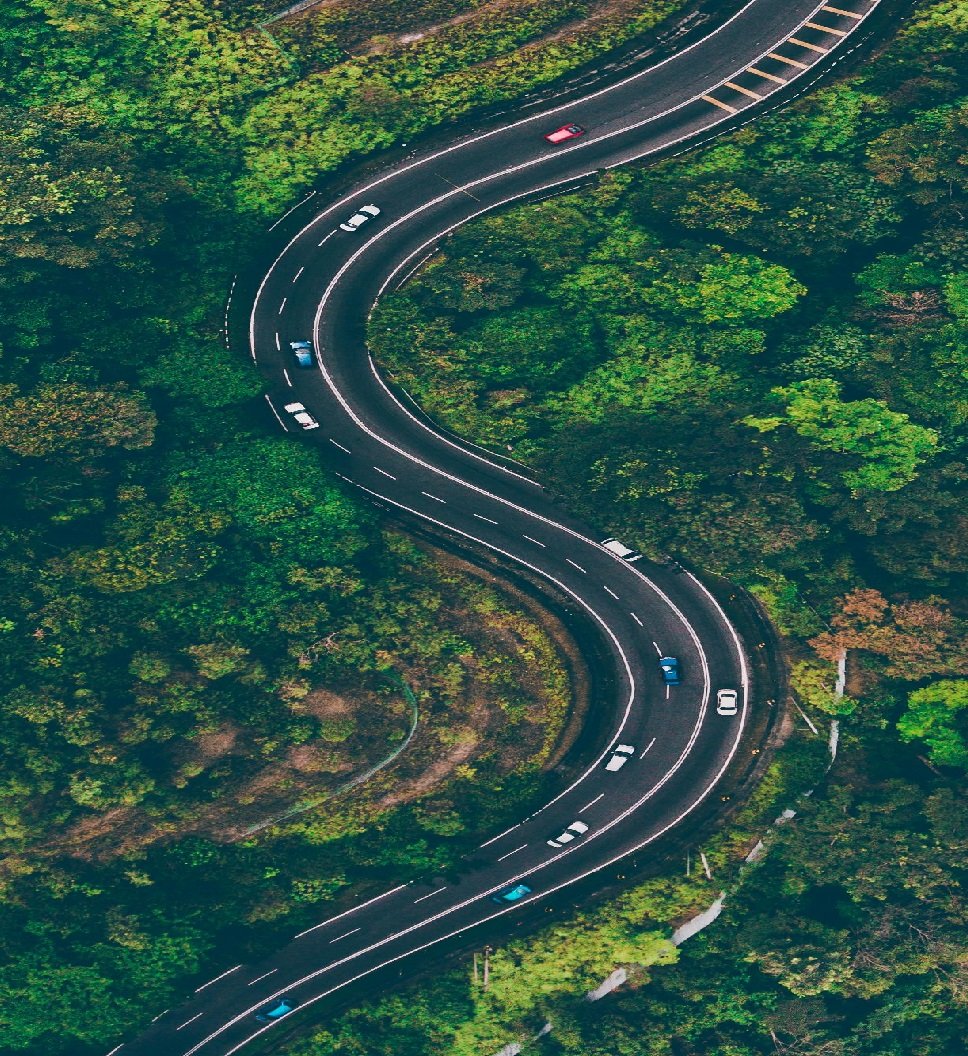
In the realm of politics and governance, the infrastructure we use on a daily basis offers a lens through which we can examine the dynamics of power, control, and identity. Highways and roads, in particular, hold a unique position as conduits of transportation and symbols of national unity. When we consider how these thoroughfares are designed, maintained, and utilized within the context of dictatorship and nationalism, fascinating insights emerge. Dictatorship, characterized by centralized control and suppression of dissent, often manifests in the way highways and roads are planned and constructed. Authoritarian regimes may prioritize the development of large, grandiose highways meant to showcase the government's power and efficiency. These projects can serve as propaganda tools, celebrating the regime's achievements while diverting attention from social or political issues. In some cases, highways built under dictatorship might symbolize a forced sense of unity, connecting different parts of the country physically while glossing over deeper societal divisions. Moreover, the strategic placement of highways and roads can reflect the government's priorities and influence social dynamics. Dictatorships may choose to build roads that benefit loyal supporters or connect key economic centers, while neglecting regions inhabited by marginalized groups or opposition strongholds. This unequal distribution of infrastructure can reinforce existing power structures and perpetuate social inequalities. Conversely, nationalism, which emphasizes pride and loyalty to one's nation, can also shape the development of highways and roads. Nationalist governments may invest in infrastructure projects that highlight the country's history, culture, and achievements. Iconic bridges, tunnels, or highways adorned with national symbols and colors can evoke a sense of patriotism and reinforce a collective identity among citizens. Furthermore, nationalist rhetoric can be woven into the narratives surrounding highway projects, framing them as symbols of progress, strength, and unity. By promoting a shared national identity through infrastructure, governments aim to foster a sense of belonging and cohesion among diverse populations. However, the intersection of dictatorship and nationalism in highway and road development is not without its controversies. Critics argue that authoritarian regimes may exploit infrastructure projects to consolidate power, suppress dissent, and prioritize elite interests over the needs of the general population. Additionally, the emphasis on nationalist symbolism in infrastructure can sometimes exacerbate divisions within society, excluding minority groups or promoting exclusionary narratives of identity. In conclusion, highways and roads offer a multifaceted perspective on the interplay between dictatorship and nationalism. By examining the design, purpose, and impact of transportation infrastructure within this context, we gain valuable insights into how power dynamics, social identity, and governance intersect in the physical spaces we navigate every day. As we drive along these roads, let us reflect on the deeper meanings they convey about our society, history, and collective aspirations.
Leave a Comment:
SEARCH
Recent News
- Switzerland is widely known for its breathtaking landscapes, high standard of living, and efficient public transportation system. Zurich, the largest city in Switzerland, perfectly embodies these characteristics and offers visitors a unique blend of culture, history, and natural beauty. In this Tunisian travel guide to Zurich, we will explore some of the must-visit attractions, delicious cuisine to try, and practical tips for making the most of your trip.
- Zurich, Switzerland and Tokyo, Japan are both global hubs for business and innovation, home to some of the top companies in the world. Let's take a closer look at the top companies based in these two cities.
- Zurich, Switzerland and Tokyo, Japan are two prominent cities known for their innovation and vibrant startup scenes. While they are located thousands of miles apart, both cities have managed to establish themselves as hubs for entrepreneurs and tech enthusiasts looking to bring their ideas to life. In this blog post, we will explore the startup ecosystems of Zurich and Tokyo, comparing and contrasting their unique features and what makes them attractive destinations for aspiring entrepreneurs.
- Zurich and Tokyo are two major global financial hubs, each offering unique opportunities for investment strategies. In this blog post, we will explore some key considerations for investors looking to navigate the investment landscape in these two cities.
- Zurich, Switzerland and Tokyo, Japan are two dynamic cities with thriving business scenes. Both cities are prominent global financial centers and are known for their innovation, economic stability, and high quality of life. In this blog post, we will explore the unique business environments in Zurich and Tokyo and compare the two cities in terms of business opportunities, infrastructure, and work culture.
- Visiting Zurich, Switzerland, can be an enriching experience for music lovers from all corners of the world. While the city may not be the first place that comes to mind when thinking about South African music, Zurich's diverse music scene offers a glimpse into the vibrant sounds of this African nation.
- Are you looking for information on travel discounts for seniors in Zurich, Switzerland? One of the perks of growing older is often the access to special deals and discounts, making travel more affordable for those in their golden years. Zurich, the vibrant and picturesque city located in Switzerland, is no exception when it comes to offering discounted rates for senior travelers.
- Exploring Zurich, Switzerland in a Roadster
READ MORE
10 months ago Category :

Switzerland is widely known for its breathtaking landscapes, high standard of living, and efficient public transportation system. Zurich, the largest city in Switzerland, perfectly embodies these characteristics and offers visitors a unique blend of culture, history, and natural beauty. In this Tunisian travel guide to Zurich, we will explore some of the must-visit attractions, delicious cuisine to try, and practical tips for making the most of your trip.
Read More →10 months ago Category :

Zurich, Switzerland and Tokyo, Japan are both global hubs for business and innovation, home to some of the top companies in the world. Let's take a closer look at the top companies based in these two cities.
Read More →10 months ago Category :

Zurich, Switzerland and Tokyo, Japan are two prominent cities known for their innovation and vibrant startup scenes. While they are located thousands of miles apart, both cities have managed to establish themselves as hubs for entrepreneurs and tech enthusiasts looking to bring their ideas to life. In this blog post, we will explore the startup ecosystems of Zurich and Tokyo, comparing and contrasting their unique features and what makes them attractive destinations for aspiring entrepreneurs.
Read More →10 months ago Category :
